Historical Background
Street Toponymy and Political Change in Riga
Street toponymy is an important element of symbolic urban space, which records not only geographical but also ideological landmarks of society. In the history of Latvia, and especially the capital Riga, the process of renaming streets is closely connected with deep political and cultural changes that took place in different historical periods.
State Identity
Transformation of national identity through urban space
Collective Memory
Memory of past regimes and historical continuity
New Values
Establishing new ideological frameworks in public space
Imperial Era
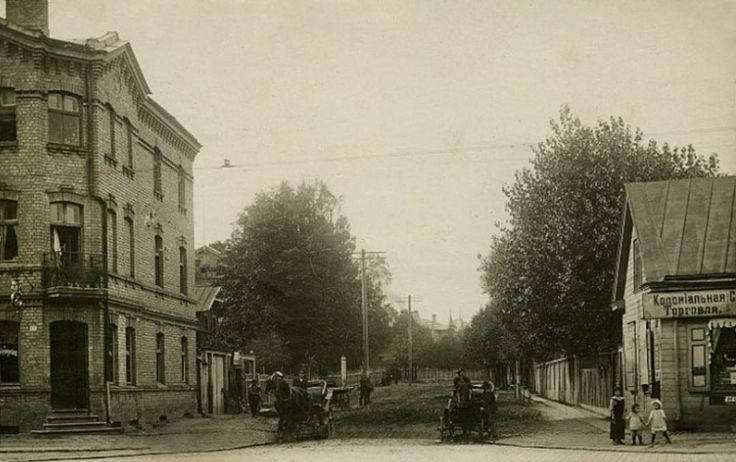
Before Latvia declared independence in 1918, Riga was under the influence of various empires. During the period of German dominance, streets had names that reflected the craft, church and administrative features of the city.
With the incorporation of Latvia into the Russian Empire in the 18th century, the process of active Russification of urban toponymy began, systematically replacing German and local names.
National Independence
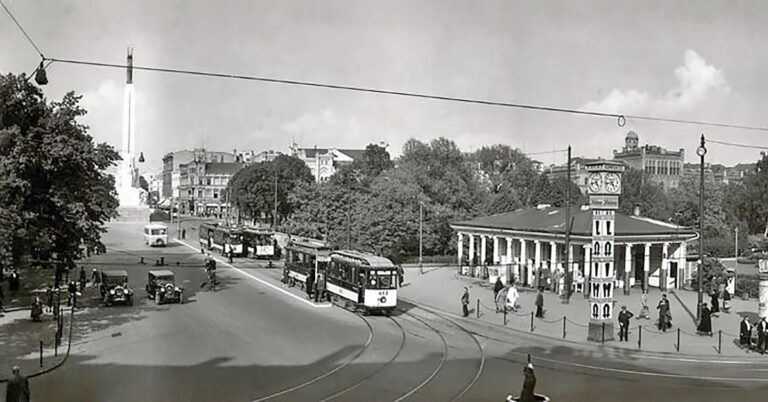
With the acquisition of national independence in 1918, a targeted process of rethinking street toponymy began. Municipal authorities sought to get rid of traces of the imperial past and affirm Latvian national values.
Streets began to be named after Latvian poets, writers, politicians and public figures. This was one of the tools for building a new, nationally oriented urban identity.
Documents of the Riga City Council and publications of that time confirm the systematic work of renaming streets as part of the general process of Latvian cultural and political emancipation.
Totalitarian Regimes
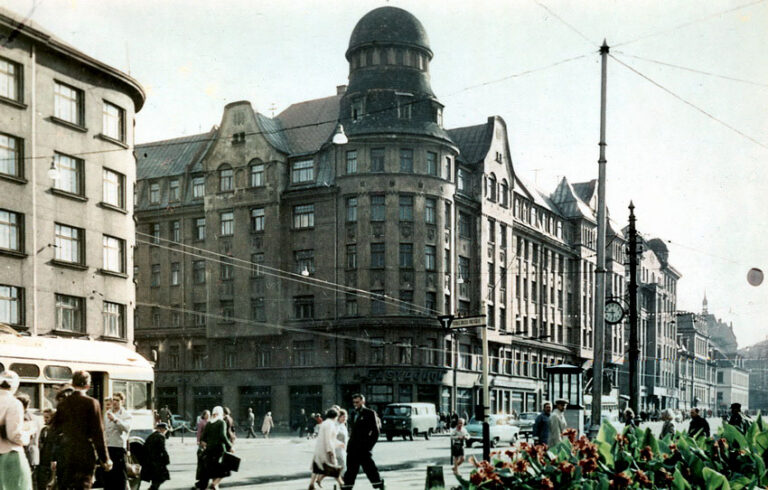
During World War II and the subsequent Soviet occupation, street names once again became an instrument of legitimization of power.
This policy not only served to strengthen power, but also formed a unified ideological landscape, erasing or marginalizing the pre-war Latvian identity.
Independence Restored
After Latvia regained its independence in 1991, a large-scale process of de-Russification and de-Sovietization of the urban environment began in Riga.
Streets named after Lenin, Kalinin, the Red Army and other symbols of the Soviet regime were renamed, often restoring their pre-war Latvian names or introducing new ones related to Latvian history and culture.
Renaming streets was seen as a way to restore historical justice and interrupted cultural continuity. Decisions were made by the Riga Municipality and published in official regulations.
Geopolitical Response
After the start of Russia’s full-scale war against Ukraine, the process of renaming streets with direct or symbolic ties to Russia intensified in Latvia.
This process became part of a broader policy of de-Russification and a manifestation of solidarity with Ukraine, reflecting Latvia’s desire to express the values of freedom, solidarity and national sovereignty.
Key Sources & Research
Historical Archives
National Library of Latvia and State Historical Archives of Latvia provide historical maps and documents tracing the evolution of street names.
Academic Research
"The Political Life of Urban Streetscapes" edited by Reuben Rose-Redwood et al. (Routledge, 2018) offers comprehensive analysis of these naming changes.
Municipal Documents
Riga City Council documents and official regulations document the decision-making process and motivations behind renamings.
Historical Background
Street toponymy is an important element of symbolic urban space, which records not only geographical but also ideological landmarks of society. In the history of Latvia, and especially the capital Riga, the process of renaming streets is closely connected with deep political and cultural changes that took place in different historical periods. The change of street names reflects the transformation of state identity, the memory of past regimes and the desire to establish new values in the public space.
Before 1918: from German self-government to Russification
Before Latvia declared independence in 1918, Riga was under the influence of various empires. During the period of German dominance, streets had names that reflected the craft, church and administrative features of the city. With the incorporation of Latvia into the Russian Empire in the 18th century, the process of active Russification of urban toponymy began. Thus, one of the main streets of Riga — today’s Brīvības iela — was called Große Sandstraße, Александровская улица, and later — Ļeņina iela, depending on the ruling regime.
Historical maps and documents available in the National Library of Latvia and the State Historical Archives of Latvia make it possible to trace this evolution of names and the corresponding change in ideological emphasis.
1918–1940: Formation of Latvian National Identity
With the acquisition of national independence in 1918, a targeted process of rethinking street toponymy began. Municipal authorities sought to get rid of traces of the imperial past and affirm Latvian national values. Streets began to be named after Latvian poets, writers, politicians and public figures. This was one of the tools for building a new, nationally oriented urban identity.
Documents of the Riga City Council and publications of that time confirm the systematic work of renaming streets as part of the general process of Latvian cultural and political emancipation.
1940–1991: Totalitarian Regimes and the Ideology of Space
During World War II and the subsequent Soviet occupation, street names once again became an instrument of legitimization of power. During the Nazi occupation of Riga (1941–1944), many streets were renamed in the German style, including Brīvības iela, which became Adolf-Hitler-Straße. After the return of Soviet power in 1944, it was renamed Ļeņina iela, and the city’s toponymy as a whole was filled with the names of communist leaders, heroes of the USSR, and symbols of Soviet ideology.
This policy not only served to strengthen power, but also formed a unified ideological landscape, erasing or marginalizing the pre-war Latvian identity. An analysis of these changes is presented, in particular, in the study The Political Life of Urban Streetscapes edited by Reuben Rose-Redwood et al. (Routledge, 2018).
1990–2025: Reclaiming Historical Memory
After Latvia regained its independence in 1991, a large-scale process of de-Russification and de-Sovietization of the urban environment began in Riga. Streets named after Lenin, Kalinin, the Red Army and other symbols of the Soviet regime were renamed, often restoring their pre-war Latvian names or introducing new ones related to Latvian history and culture.
Renaming streets was seen as a way to restore historical justice and interrupted cultural continuity. Decisions were made by the Riga Municipality and published in official regulations, which makes it possible to trace the motivations and sequence of changes.
After 2022: Geopolitical Response and Symbolic Solidarity
In 2022, after the start of a full-scale war between Russia and Ukraine, the process of renaming streets with direct or symbolic ties to Russia intensified in Latvia. This process became part of a broader policy of de-Russification and a manifestation of solidarity with Ukraine. For example, Ukrainas varoņu iela (Street of the Heroes of Ukraine) appeared, while names such as Puškina iela began to disappear en masse from the city map.
The renaming of streets during this period was an act of not only cultural but also political positioning. It reflected Latvia’s desire to separate itself from post-imperial influence and express the values of freedom, solidarity and national sovereignty.